
 Schools
 Further Education
 Case Studies
 Submit a Job
 Candidates
 Job Search
 Refer a Friend
 DBS Check
 Candidate FAQs

 Prospective Agency Partners
 Preferred Agency Partners
 Agency FAQs
 Support Hub
 National
 Our Partners
 Safeguarding
 tsr365

 About Us
 Careers
 Contact Us
 Reviews
 Insights
Instead of seeing that enthusiasm as a distraction, why not use it?
The World Cup can be a brilliant way to make lessons feel more relevant and engaging. And the best part? You do not need to be football-obsessed to make it work. From maths and geography to literacy and science, there are plenty of simple ways to connect classroom learning to something students are already interested in.
Use it to make maths feel real
Football is full of numbers, which makes it perfect for maths lessons.
Students can work with real tournament data to explore:
- Percentages and averages
- Probability and predictions
- Tables, graphs, and statistics
- Scores and comparisons
You could ask students to predict outcomes, track team performance, or calculate goal averages. Suddenly, maths feels connected to something happening in real time instead of another worksheet.
Turn geography into a global adventure
The World Cup is a chance to explore the world without leaving the classroom.
Students can:
- Locate countries on a map
- Compare climates, languages, and cultures
- Learn about host countries
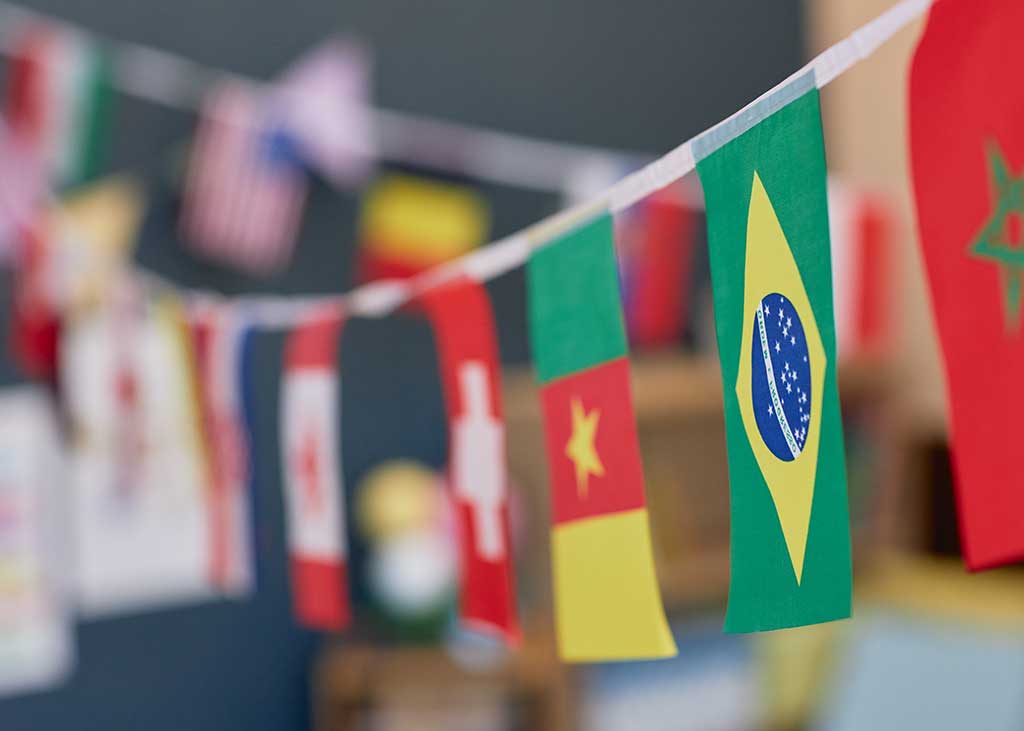
- Explore flags, traditions, and national identities
It is a simple way to build curiosity about different places while making geography more engaging.
Bring literacy lessons to life
If students are already talking about matches, let them write about them too.
Try activities like:
- Writing match reports
- Creating player profiles
- Debating controversial decisions
- Producing short commentaries or podcasts
- Comparing media coverage from different countries
Even reluctant writers often have strong opinions when sport is involved.
Use science to explain the game
Football offers many real-life examples of science.
You could explore:
- How a football curves through the air
- Force and movement during a kick
- Fitness, nutrition, and recovery
- Stadium design and engineering
Lessons feel more memorable when students can connect ideas to something they have actually watched.
Explore big conversations
The World Cup can also open the door to thoughtful discussion.
Depending on age and stage, students might explore:
- Teamwork and resilience
- National identity and culture
- Fair play and inclusion
- Media influence and sponsorship
- The impact of hosting major sporting events
These conversations help students think critically about the world around them.
It is an easy way to create links between subjects and keep learning feeling connected.
Final thoughts
The World Cup offers plenty of simple ways to connect classroom learning to something already happening in the wider world. Whether it is using match statistics in maths, exploring countries and cultures in geography, encouraging sports writing in English, or looking at the science behind performance, there are lots of opportunities to make small, meaningful links across subjects. It does not have to be complicated — even one or two World Cup-inspired activities can add a fresh angle to familiar topics.